The difference between Goals and Objectives A goal is a general statement, a broad outline, it’s open ended and helps set the scene. For example, ‘I want to earn more money this year’ Well, earning a £1 more than last year achieves that goal so it’s not going to...

Blog
Please note: The information contained in this site is provided for information purposes only and is of a general nature. It is not a substitute for specific professional advice related to your own circumstances. You are recommended to obtain specific professional advice before you take any action. Thank you!
Turning objectives into actions
Turning Objectives into Actions An ounce of action is worth a ton of theory. Ralph Waldo Emerson We have set our goals and turned them into objectives. Now we need to work out what actions we need to take, and who is going to take them in order to achieve our...
6 Ways of overcoming your businesses cashflow problems
A guide to overcoming your businesses cashflow problems and tackling late payment. More than any other factor, a business is defined by the balance between the money coming in and the money going out over any period of time. Ideally, the scales should be tipped in...
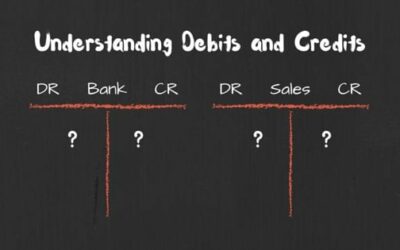
Understanding debits and credits
Debits and credits can sometimes seem confusing but you will need a basic understanding of how debit and credit transactions affect your accounts to be able to understand your business reports and spot any anomalies. The concept of double entry accounting dates back...
Is profit or cash more important?
A question we are often asked - is profit or cash more important. Both are important of course, but for a business to survive it needs cash first and profit second. A balanced approach and clear objectives should focus the company on delivering: 1. Effective and...
Funding growth
The business is growing slowly but surely, you have a great sustainable and profitable customer base providing you with a comfortable income, good relationships with suppliers and a happy team working for you. You realise you are ready for the next step but realise...
Basic Accounting Concepts
The purpose of this article is to give you an introduction to the basic accounting concepts. Essentially what you sell, less what you buy equals your profit. Single entry or 'cash' accounting The smallest and most simple business may be accounting on a 'cash basis'...
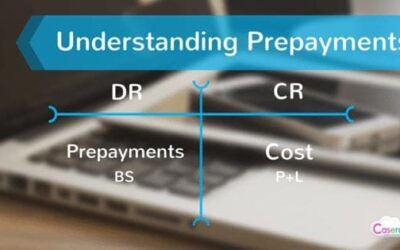
Understanding Prepayments
What are prepayments? As we learned in the article Understanding Accruals - it has been a long-accepted accounting principle that revenue and costs should be recognised as they are earned or accrued, rather than when their cash value is received or paid. If payments...
An introduction to CIS
The construction industry scheme works a little like a payroll scheme but for the constructions industry. Contractors employ subcontractors for jobs, on which they must deduct tax but not national insurance and pay it monthly to HMRC. Deductions count as advance...
Accounting for CIS
Accounting for CIS So we understand the principles of CIS, but how do we account for the transactions in our accounting software? See An introduction to CIS if you need to recap. Account Codes We recommend that you set up the following general ledger account codes in...